Northern Thailand draws travelers looking for hill tribe culture, ancient temples, jungle landscapes, and slower-paced towns that feel genuinely Thai. Spread across multiple provinces - from Chiang Rai in the far north to the mountain-ringed valley of Pai in Mae Hong Son - this region rewards those who plan smart. Knowing which city to base yourself in, and what to expect from mid-range accommodation here, is the difference between a trip that flows and one that wastes days on logistics.
What It's Like Staying in Northern Thailand
Northern Thailand is not a single destination - it's a network of distinct towns connected by mountain roads, each with its own rhythm. Chiang Rai moves slowly, with most temples and night markets reachable on foot or by short songthaew ride. Pai is even more compact but fills up fast during peak season, while Chiang Khong sits on the Mekong River as a border town with a quiet, unhurried pace. Unlike Bangkok, traffic rarely disrupts your day here, but inter-city distances mean you'll want to plan your base carefully before booking.
Pros:
- Significantly lower accommodation costs compared to Bangkok or Phuket, with solid mid-range options available at competitive rates
- Easy walkability within most town centers - Chiang Rai's old city, Pai's main strip, and Chiang Khong's riverside are all pedestrian-friendly
- Rich cultural density: temples, night markets, trekking routes, and border crossings accessible within a short drive of most hotels
Cons:
- Travel between towns requires planning - Pai is around 3 hours from Chiang Mai by road through mountain curves, which affects one-night strategies
- Smoke season (February-April) can significantly reduce air quality and visibility across the entire region
- Nightlife and dining options are limited outside Chiang Rai and Pai, especially in smaller towns like Chiang Khong
Why Choose 3-Star Hotels in Northern Thailand
Three-star hotels in Northern Thailand occupy a practical sweet spot: they consistently offer private bathrooms, air conditioning, reliable Wi-Fi, and daily housekeeping - features that budget guesthouses in the region often skip. Free parking is common at this tier, which matters if you're renting a car or motorbike to reach temples and trekking trailheads outside town. In Chiang Rai and Pai, 3-star properties are typically priced well below equivalent accommodation in Bangkok, making them a strong value proposition for travelers who want comfort without overpaying.
The trade-off at this tier in Northern Thailand is room size - while facilities are solid, rooms in mid-range Chiang Rai hotels can be compact, and properties closer to night markets may have some ambient noise after dark. Breakfast inclusion varies by property, so it's worth checking before booking rather than assuming it's part of the rate.
Pros:
- Private bathrooms, air conditioning, and free Wi-Fi are standard - not optional extras
- Free private parking offered at most properties in this tier, useful for car or motorbike renters exploring the region
- 24-hour front desks and airport shuttle access make arrival logistics easier, especially at Chiang Rai's Mae Fah Luang International Airport
Cons:
- Room sizes at this tier are rarely generous - Northern Thai 3-star rooms average around 25 square metres
- Properties near Chiang Rai's walking streets may have noise on weekend evenings
- On-site dining options are limited at most 3-star properties - many offer breakfast only, requiring you to eat out for other meals
Practical Booking & Area Strategy for Northern Thailand
Chiang Rai is the most logical base for exploring the far north - the White Temple (Wat Rong Khun) is 14 km from the city center, the Blue Temple is nearby, and the Golden Triangle border area is reachable as a day trip. If you're crossing into Laos via the Mekong, Chiang Khong becomes relevant as a final overnight stop before the border. Pai works best as a standalone 2-3 night stay, not as a transit hub, due to the winding road access from Chiang Mai.
Mae Fah Luang - Chiang Rai International Airport connects directly to Bangkok with multiple daily flights, making Chiang Rai the natural entry and exit point for most Northern Thailand itineraries. Book at least 6 weeks ahead for the November-February peak season, when cool temperatures drive strong domestic and international demand across the region. Night market proximity is worth prioritizing in Chiang Rai - the Saturday and Sunday Walking Streets are within easy walking distance of the city center, so staying close eliminates the need for transport in the evenings.
Best Value Stays
These properties deliver reliable mid-range comfort in well-positioned locations across Chiang Rai and Pai, with practical amenities suited to travelers exploring Northern Thailand independently.
-
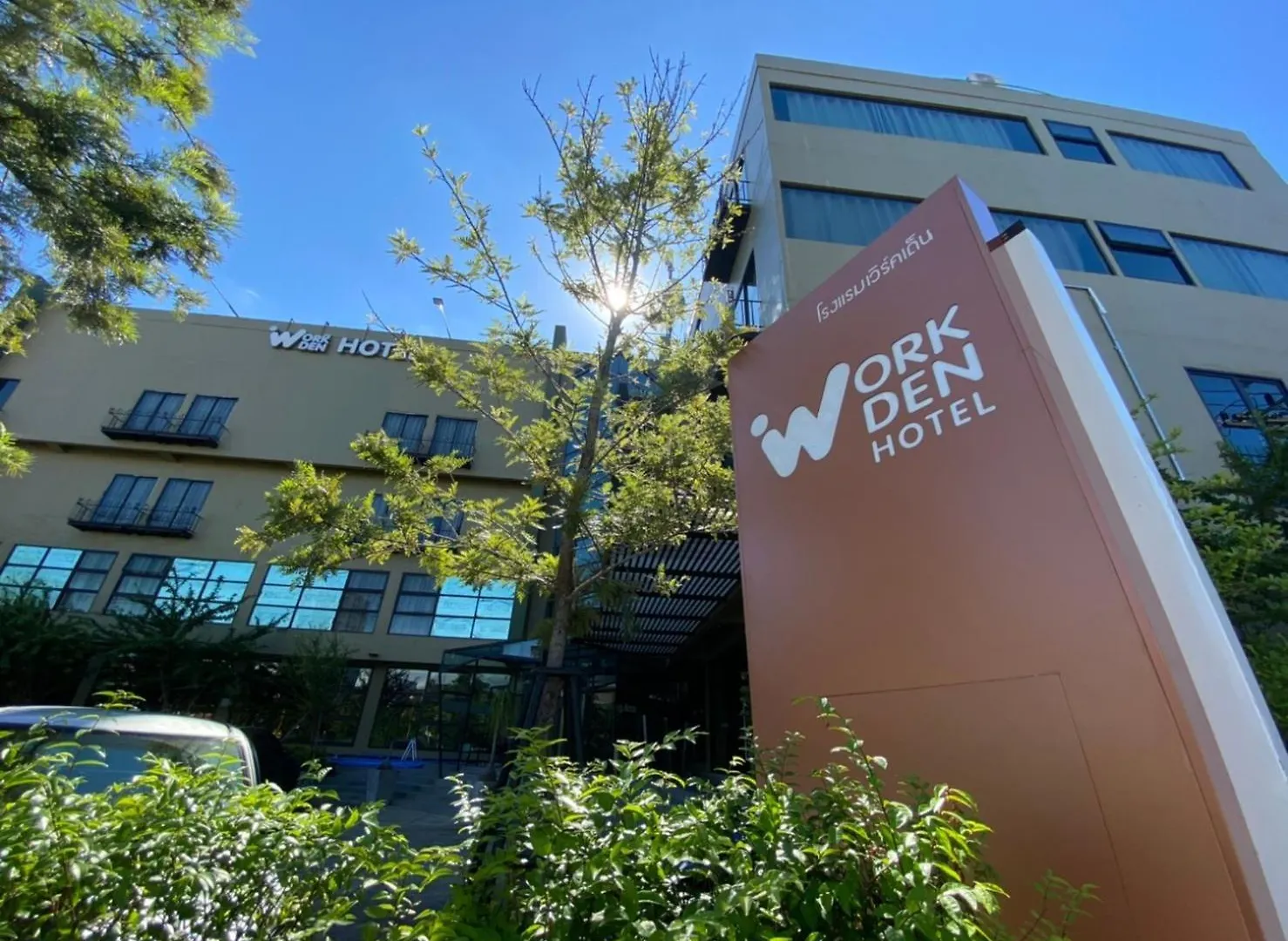
1. Work Den Chiangrai
Show on map


 Check-infrom 14:00 until 23:59Check-outuntil 12:00
Just a few rooms left at the best rate!
fromTHB 816
-
2. Na-Rak-O Resort
Show on map


 Check-infrom 14:00 until 20:00Check-outfrom 07:00 until 11:00
Just a few rooms left at the best rate!
fromTHB 620
-
3. Pai Hotsprings Spa Resort
Show on map


 Check-infrom 14:00 until 20:00Check-outuntil 12:00
Hurry – almost gone at this price!
fromTHB 1306
Best Premium Stay
For travelers prioritizing riverside ambiance and access to the Mekong border area, this Chiang Khong property offers a step up in setting and services within the 3-star tier.
-
4. Namkhong Riverside
Show on map


 Check-infrom 13:00 until 23:59Check-outuntil 12:00
Rooms filling fast – secure the best rate!
fromTHB 1077
Smart Travel & Timing Advice for Northern Thailand
The best time to visit Northern Thailand is November through February, when temperatures drop to comfortable levels - around 20°C in Chiang Rai - and skies are consistently clear. This is also peak season, so 3-star hotels in Chiang Rai and Pai fill up quickly, particularly around the Chiang Rai Flower Festival in December and Thai New Year in April. Book at least 6 weeks in advance for November-February travel, especially if you want centrally located properties in Chiang Rai's old city area.
March through May brings the smoke season caused by agricultural burning, which can affect air quality across the entire region and reduce visibility at viewpoints and outdoor attractions. June through October is rainy season, which lowers prices noticeably and keeps crowds thin - a reasonable trade-off if you're flexible on weather and targeting value. Most travelers find 3 nights in Chiang Rai sufficient to cover the White Temple, Blue Temple, and night markets, with an additional 2 nights in Pai or Chiang Khong if the itinerary extends further.