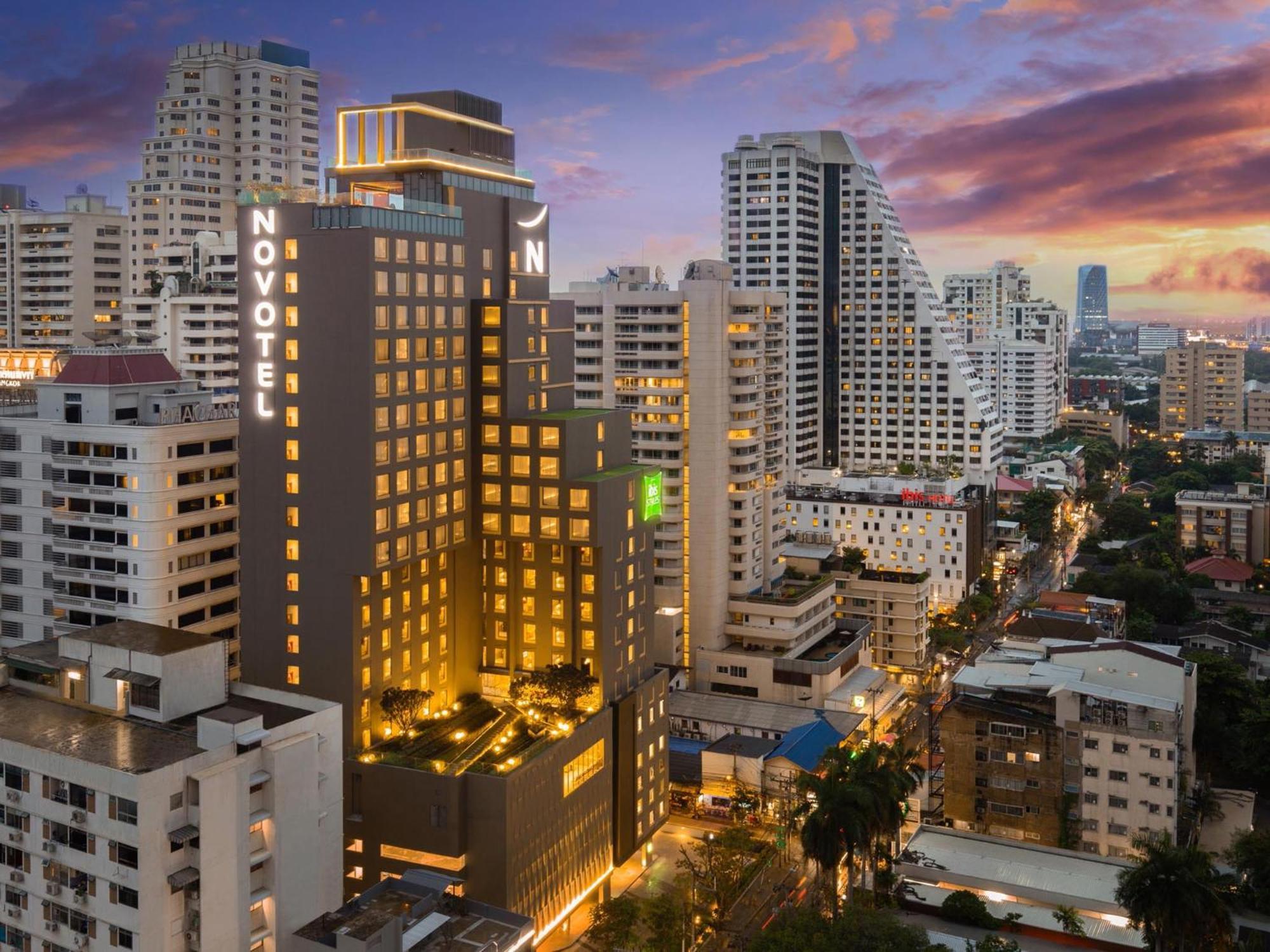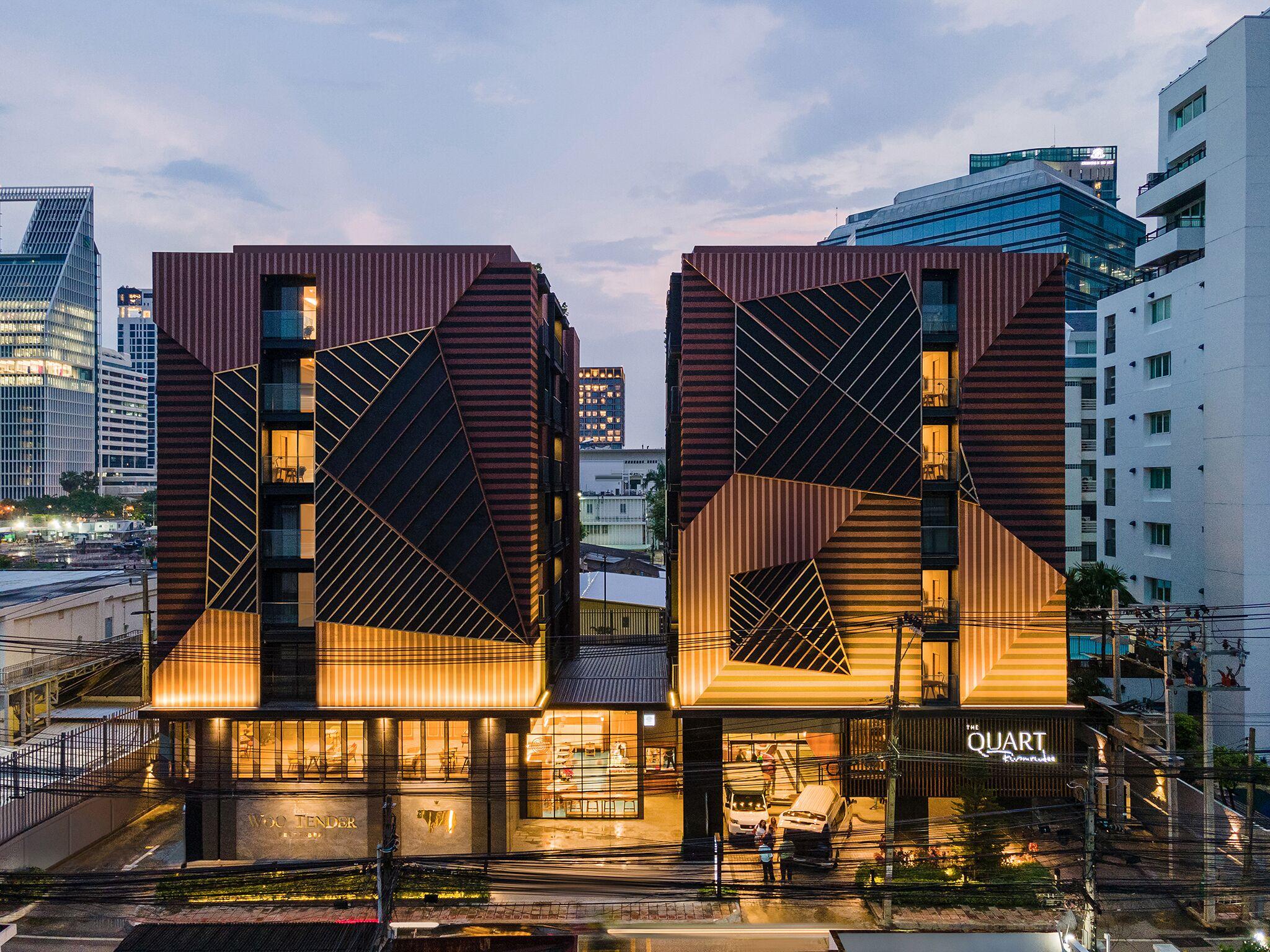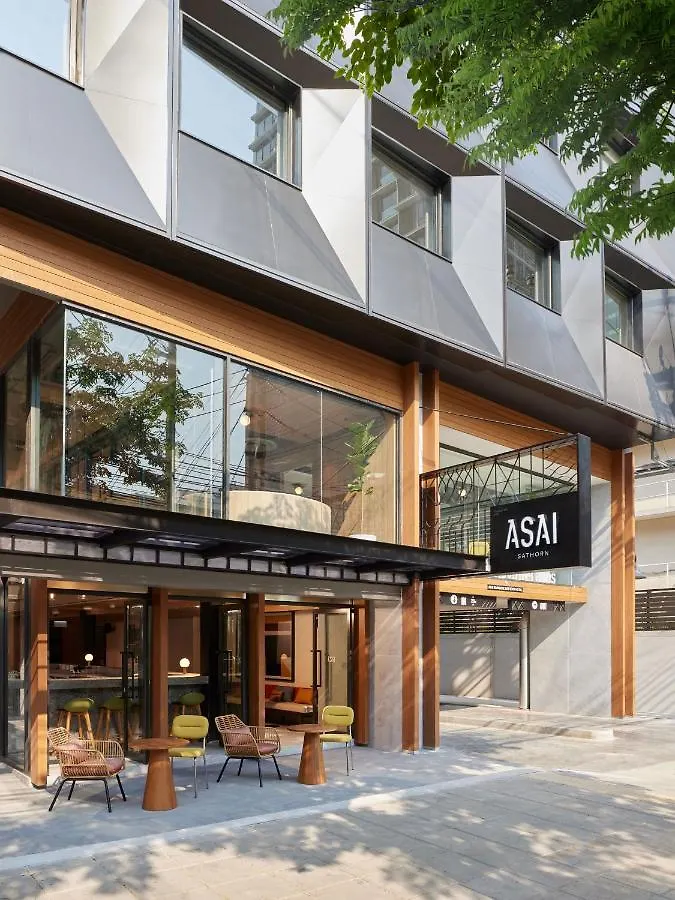
Bangkok's Central Business District - anchored by Silom Road, Sathorn Road, and the financial corridor stretching toward Chinatown - is where two ASAI Hotels by Dusit have positioned themselves to capture very different traveler flows. ASAI is Dusit International's affordable lifestyle brand, built on the concept of connecting guests with authentic neighborhood experiences rather than sealing them inside a lobby. These two properties - one in Chinatown, one in Sathorn - sit at opposite ends of the CBD arc, each with a distinct street character, transit access, and room configuration that affects day-to-day practicality more than any star rating would suggest.
What It's Like Staying in Bangkok's Central Business District
The Bangkok CBD is not a single neighborhood but a corridor: Silom and Sathorn form the financial spine, while Chinatown (Yaowarat) anchors the eastern edge. BTS and MRT coverage is dense here - Sala Daeng, Chong Nonsi, and Silom MRT station sit within this zone - making cross-city movement faster than almost anywhere else in Bangkok. That said, street-level mobility varies sharply by sub-area: Sathorn Road during morning rush sees gridlocked traffic that makes taxis impractical, while Yaowarat evenings draw crowds that slow foot traffic considerably.
Staying here positions you within walking distance of Lumpini Park, Patpong, the Chao Phraya riverfront piers, and Chinatown's street food corridor - but the area operates on a split rhythm: quiet on weekends in the Sathorn office blocks, relentlessly busy on weeknights in Yaowarat.
Pros:
- * Direct BTS Silom Line and MRT Blue Line access from within the district, reducing commute friction to key attractions
- * Hotel rates in this zone run around 25% lower than comparable properties in Sukhumvit while offering equivalent transit connectivity
- * High concentration of rooftop bars, river piers, and cultural landmarks within around 3 km
Cons:
- * Heavy traffic on Sathorn and Silom roads during weekday office hours makes taxis and ride-shares significantly slower than the BTS
- * Chinatown sub-area has limited late-night convenience options outside of street food stalls
- * Street noise from Yaowarat Road is a real factor for light sleepers without soundproofed rooms
Why Choose an ASAI Hotel by Dusit in Bangkok's CBD
ASAI Hotels is Dusit International's affordable lifestyle brand - positioned explicitly below their Dusit Thani and dusitD2 tiers - with a concept built around neighborhood immersion rather than full-service luxury. In the CBD context, this translates to compact but well-engineered rooms, strong common areas, and food-and-beverage outlets that lean local rather than international. Rooms typically run smaller than mid-scale competitors nearby, but the trade-off is a noticeably lower price point and design DNA that reflects the surrounding district.
Both Bangkok ASAI properties sit in the 3-4 star operational band, with features like fitness centers, on-site bars, and free WiFi built into the base rate. Travelers who spend most of their day outside the room benefit most from this format; those expecting large in-room work setups or spa access will find the category limiting. The Dusit parentage brings operational reliability - 24-hour desks, consistent housekeeping, and security infrastructure - that pure budget properties in the same price band often lack.
Pros:
- * Dusit's operational standards mean consistent service levels despite the affordable lifestyle positioning
- * Both properties include on-site restaurants and bars, reducing the need to leave for meals after long city days
- * Room categories include multi-bed bunk configurations suited to small groups or solo travelers wanting extra space
Cons:
- * Room square footage is smaller than what mid-range independent hotels in the same district offer at similar rates
- * Neither property includes a swimming pool, which is standard at comparable-priced competitors in the CBD
- * The lifestyle-brand concept deprioritizes in-room amenities in favor of social spaces, which doesn't suit all travel styles
Practical Booking & Area Strategy for Bangkok CBD
For Sathorn, positioning near Chong Nonsi BTS station (St. Louis area) gives walkable access to the King Power Mahanakhon Skywalk, One Bangkok shopping complex, and Lumpini Park - all within around 1.5 km. The Silom MRT station sits nearby as a secondary transit node, and the Sathorn Pier (Central Pier) connects you to the Chao Phraya Express Boat, which reaches riverside temples and ICONSIAM without a taxi. For Chinatown, Yaowarat Road is the arterial street to be near - MRT Hua Lamphong station is the closest underground access, and the BTS extension to Wat Mangkon puts train access back on the table for Chinatown stays.
In terms of timing, book at least 6 weeks in advance for the November-February cool season, when hotel demand across the CBD spikes and last-minute rates climb sharply. The Songkran period (mid-April) brings elevated occupancy in both Chinatown and Silom. For things to do: the Patpong Night Market on Silom Soi 4, Lumpini Park at dawn, the Yaowarat street food corridor after 18:00, and the Mahanakhon Skywalk at dusk are the district's standout experiences - all accessible without a taxi from either ASAI property.
Best Value Stay
ASAI Bangkok Sathorn delivers the stronger value case for travelers who want CBD walkability, transit redundancy, and on-site amenities at an accessible price point in the Silom-Sathorn corridor.
-
1. Asai Bangkok Sathorn
Show on map


 Check-infrom 15:00 until 20:00Check-outfrom 10:00 until 12:00
Just a few rooms left at the best rate!
fromTHB 2024
Best Premium Option
ASAI Bangkok Chinatown offers a more character-rich stay with a deeper neighborhood context, soundproofed rooms, a broader room category range, and on-site garden space that the Sathorn property doesn't replicate.
-
2. Asai Bangkok Chinatown
Show on map


 Check-infrom 15:00 until 23:59Check-outuntil 12:00
Hurry – almost gone at this price!
fromTHB 1958
Smart Travel & Timing Advice for Bangkok CBD Hotels
November through February is the CBD's peak window: temperatures are manageable, business travel is active, and leisure tourism peaks around Christmas and Chinese New Year - hotel rates across the Silom-Sathorn corridor reflect that demand immediately, so early booking matters. For Chinatown specifically, the Chinese New Year period (late January or early February) brings street closures and festival crowds to Yaowarat that are spectacular to witness but require planning - book around 8 weeks ahead for that window. The low season (May through September) brings daily rain but also the lowest hotel rates of the year, and both ASAI properties become noticeably cheaper during this period without any reduction in operational quality.
A stay of 3 nights gives enough time to cover the CBD's core: Chinatown by night, Lumpini Park at dawn, Silom and Patpong by evening, and a day trip to the Grand Palace via the Chao Phraya Express Boat. Last-minute bookings in peak season are reliably poor value across both ASAI properties - the properties' combination of fair pricing and Dusit brand recognition means they fill well before arrival week.