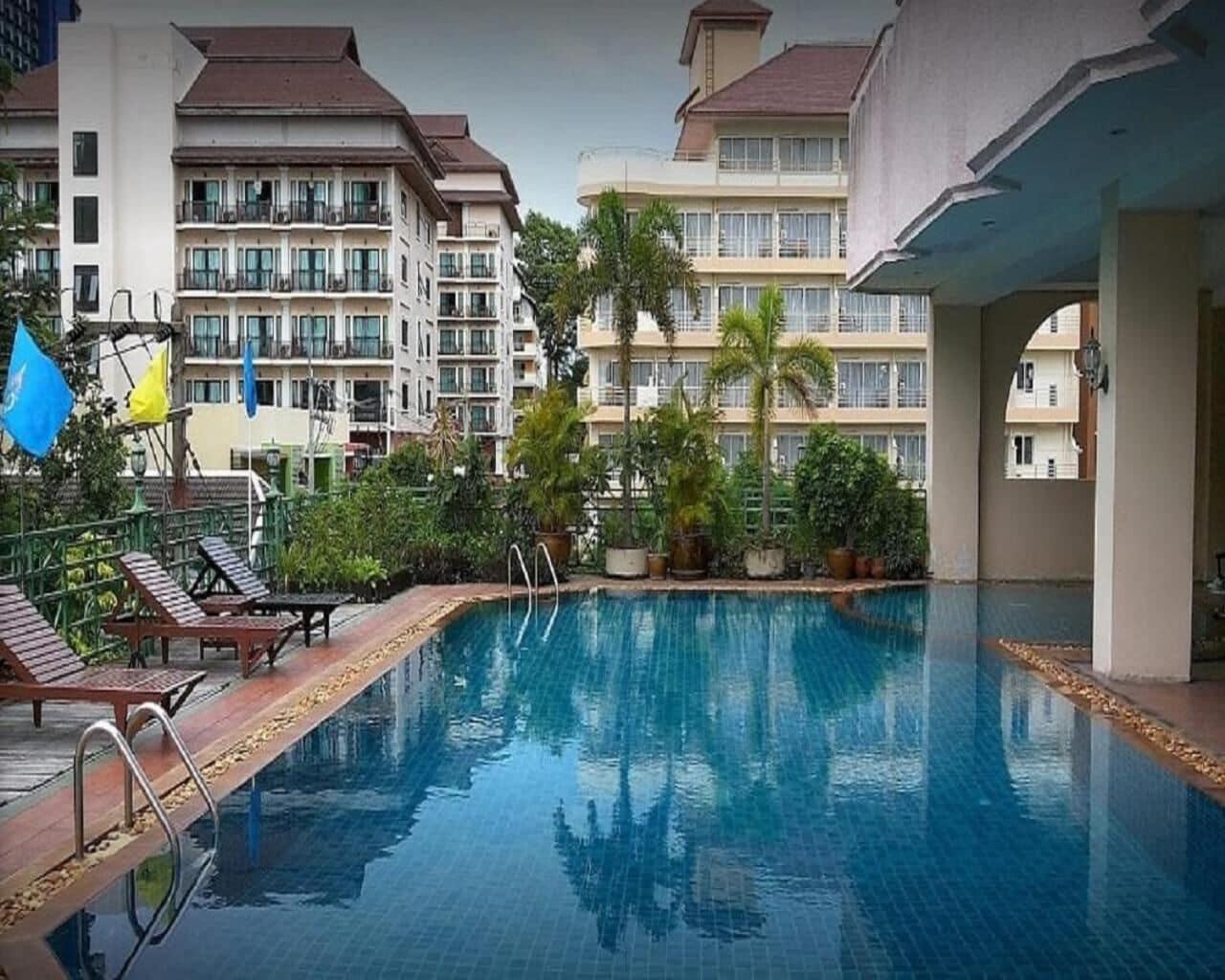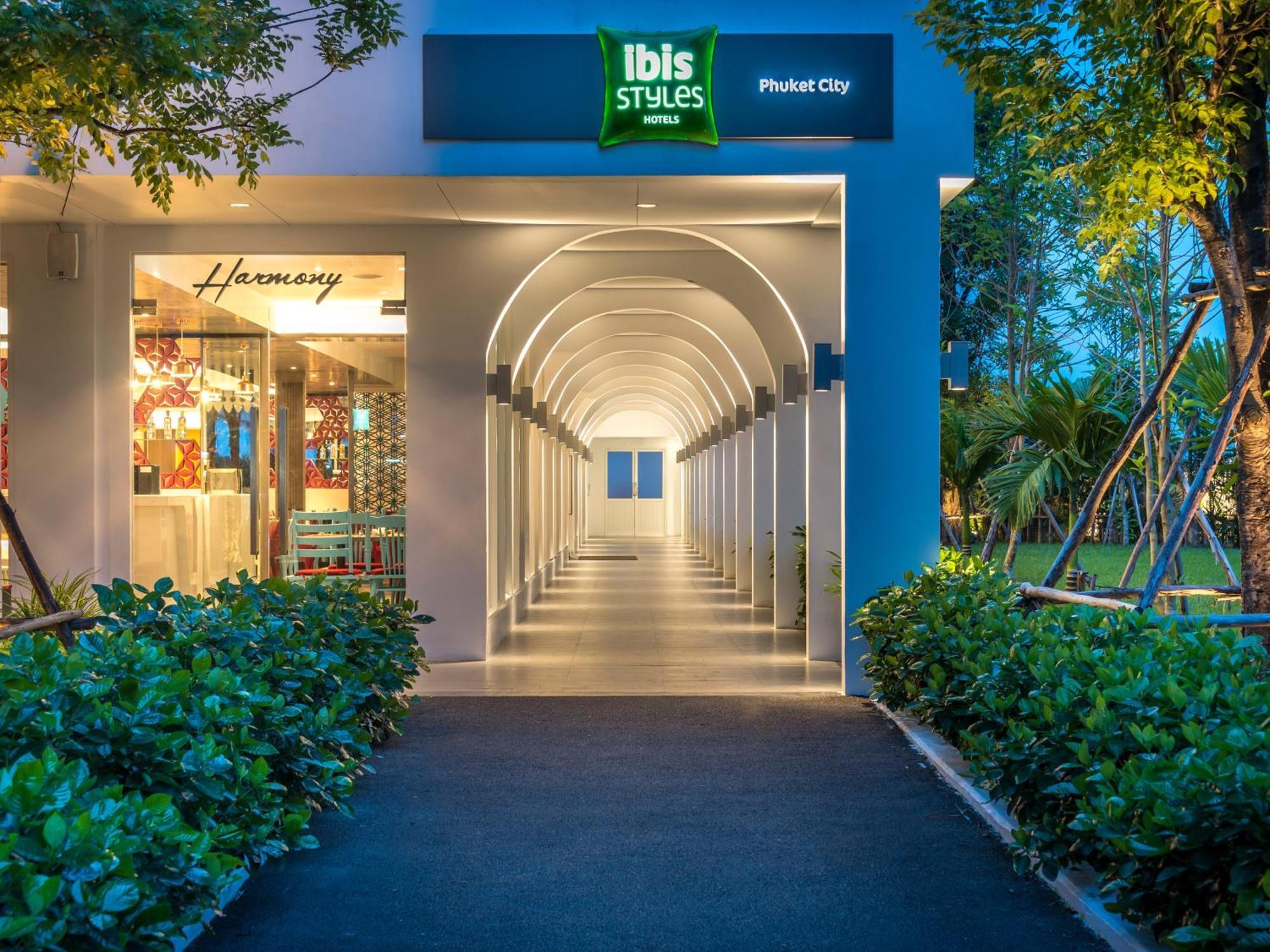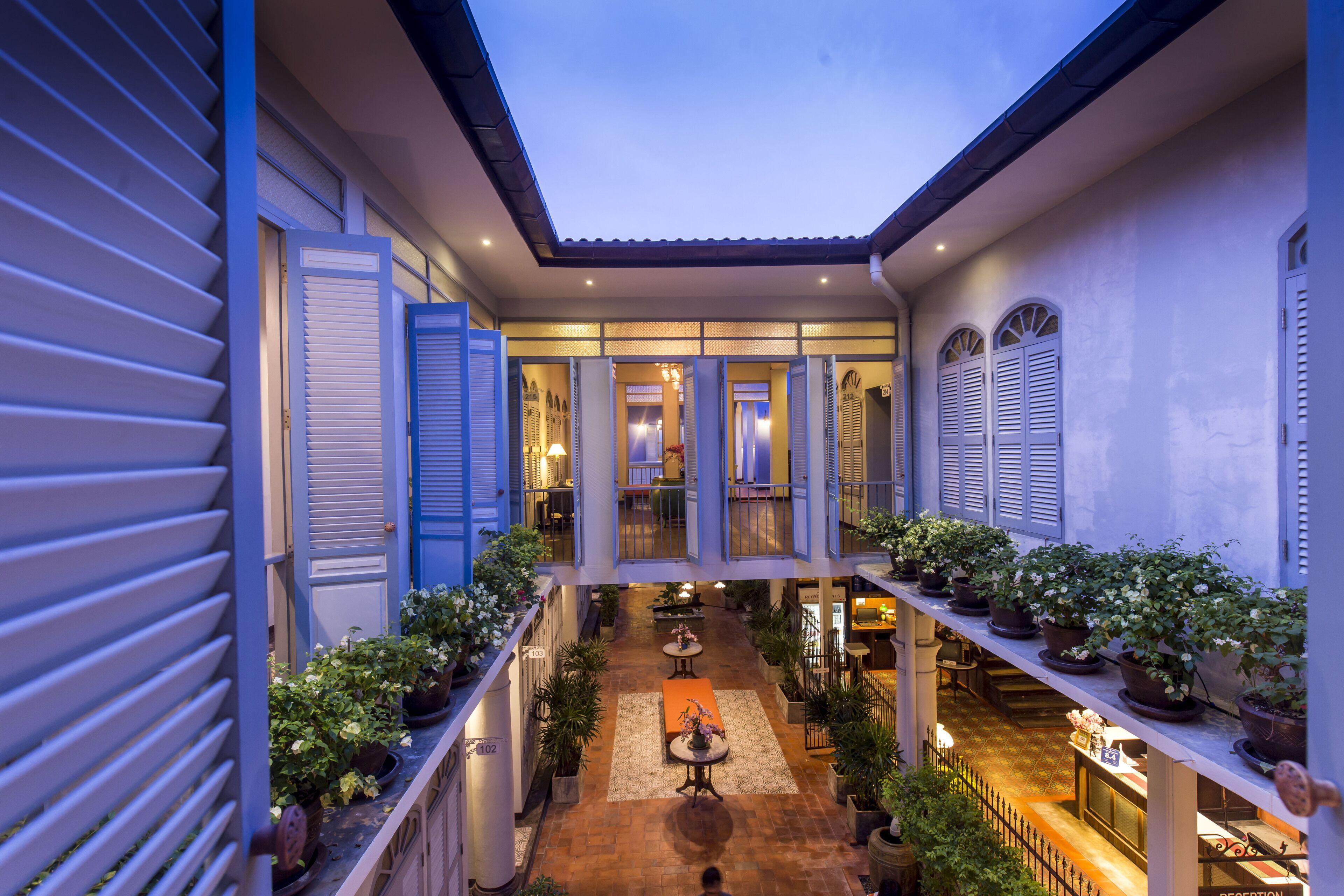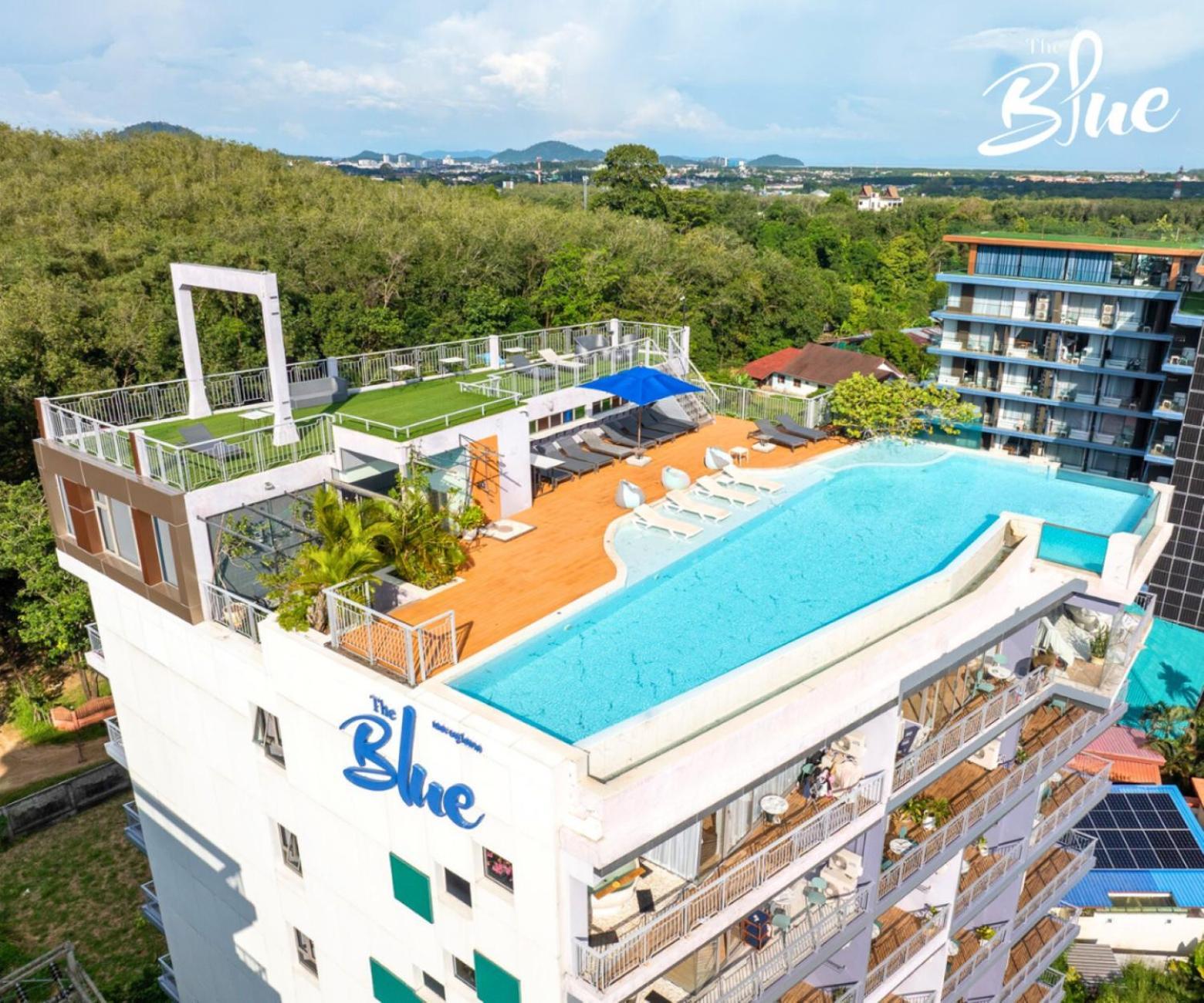
Patong is Phuket's most active beach town, and where you sleep directly affects how much walking, spending, and noise you experience. These four centrally located hotels - from beachfront hostels to hillside villas with private pools - cover the main traveler types arriving in Patong, whether you're here for the beach, the nightlife, or a quieter base close to everything.
What It's Like Staying in Patong
Patong is compact by design - Bangla Road, the beach, and Jungceylon Shopping Center sit within roughly 1 kilometer of each other, meaning most central hotels put you within walking distance of the main action. The trade-off is real: noise from bars and traffic can carry until 2 AM or later in the core zones, and the streets get noticeably crowded from around 6 PM onward during high season. Tuk-tuks and songthaews are readily available for reaching areas like Tiger Muay Thai or the quieter southern beaches, but be prepared to negotiate fares every time.
Pros:
- Walking access to Patong Beach, night markets, and Jungceylon with no transport needed
- High density of restaurants, convenience stores, and street food within minutes of most properties
- Easy tuk-tuk and songthaew connections to Phuket Town and other beaches
Cons:
- Street noise and nightlife activity make sleep before midnight difficult in beachfront blocks
- High-season crowds (November through March) compress sidewalks and inflate taxi fares
- Limited green space or quiet areas - Patong is built for activity, not relaxation
Why Choose Central Hotels in Patong
Central hotels in Patong compress your logistics - you lose less time on transport and spend more time actually using the destination. Rates in the central zone can run around 40% higher than hillside or peripheral properties, but you pay for convenience: no shuttle dependency, no fare negotiation every evening, and direct beach access in the case of beachfront picks. Room sizes in the central belt tend to be smaller than hillside villas, especially in the budget and mid-range segment, where compact layouts are standard.
For solo travelers and couples on a beach-and-nightlife trip, the density of central Patong eliminates friction. Families or travelers needing quiet, space, and privacy often find hillside properties with private pools a better trade-off, even if it means a short shuttle ride to the beach.
Pros:
- Zero transport costs for beach days, shopping, and nightlife access
- 24-hour convenience in terms of food, pharmacy, and ATM availability nearby
- Strong hotel competition in the central zone means consistent value at multiple price points
Cons:
- Smaller room footprints compared to hillside or resort-style properties
- Street-facing rooms in the core area come with unavoidable ambient noise
- Peak-season availability in well-reviewed central properties fills up weeks in advance
Practical Booking & Area Strategy in Patong
The geography of Patong splits cleanly into three zones relevant to hotel choice. The beachfront strip along Thaweewong Road offers the shortest walk to the sand but maximum noise exposure at night. One block inland - around Rat-U-Thit 200 Pee Road - is where most value-focused central hotels cluster, giving beach access under 10 minutes on foot while cutting nightlife noise significantly. Further inland or uphill toward Nanai Road and beyond, properties gain privacy and views but require transport for every beach visit.
For attractions beyond the beach, Patong Boxing Stadium hosts Muay Thai fights several nights per week and is reachable in under 10 minutes by tuk-tuk. Phuket Simon Cabaret, around 3.5 kilometers south, is a regular evening outing from Patong. Jungceylon Shopping Center on Rat-U-Thit 200 Pee Road serves as a practical landmark - hotels within walking distance of it are genuinely central. Book central Patong properties at least 6 weeks ahead for stays between November and February; last-minute availability in that window is limited and prices spike noticeably.
Best Value Stays
These properties offer direct beach or shopping access at the most accessible price points in Patong's central zone, making them strong picks for travelers prioritizing location over space or luxury finishes.
-
1. Bearpacker Patong Hostel
Show on map


 Check-infrom 14:00 until 23:59Check-outuntil 12:00
Just a few rooms left at the best rate!
fromTHB 4243
-
2. Patong Poshtel (Adults Only)
Show on map


 Check-infrom 14:00 until 23:59Check-outuntil 12:00
Hurry – almost gone at this price!
fromTHB 783
- Show on map
Best price guarantee
Best Premium Stay
For travelers wanting a private, self-contained experience with direct sea views and a pool - without sharing facilities - this hillside villa offers a distinctly different standard from Patong's central hotel cluster.
-
4. Jirana Patong
Show on map


 Check-infrom 14:00 until 19:00Check-outuntil 12:00
Rooms filling fast – secure the best rate!
fromTHB 12110
Smart Travel & Timing Advice for Patong
Patong's high season runs from November through March, when the Andaman Sea is calm, skies are clear, and demand for central hotels peaks sharply. Booking 6 weeks or more in advance during this window is essential for beachfront and well-reviewed properties - availability tightens fast in December and January especially. Rates during peak months can run around 50% higher than the same rooms in low season (May through October), when monsoon rain brings shorter but intense daily showers rather than all-day overcast conditions.
April sits in a transitional window - lower prices, manageable crowds, but increasing heat. A stay of 4 nights covers Patong's main draw (beach, nightlife, day trips to Phi Phi or Phang Nga Bay) without the itinerary becoming repetitive. Last-minute bookings in low season can yield strong deals, particularly on hillside villas like Jirana where demand drops more than at beachfront hostels. Avoid booking non-refundable rates more than 8 weeks out if your travel dates are flexible - Patong's market adjusts and discounts appear closer to arrival in shoulder periods.